Travel
How to Prepare for the FIFA World Cup 2026
Learn how to prepare for FIFA World Cup 2026. This guide covers ticket sales, host cities, travel visas, and accommodation tips for the 2026 tournament.

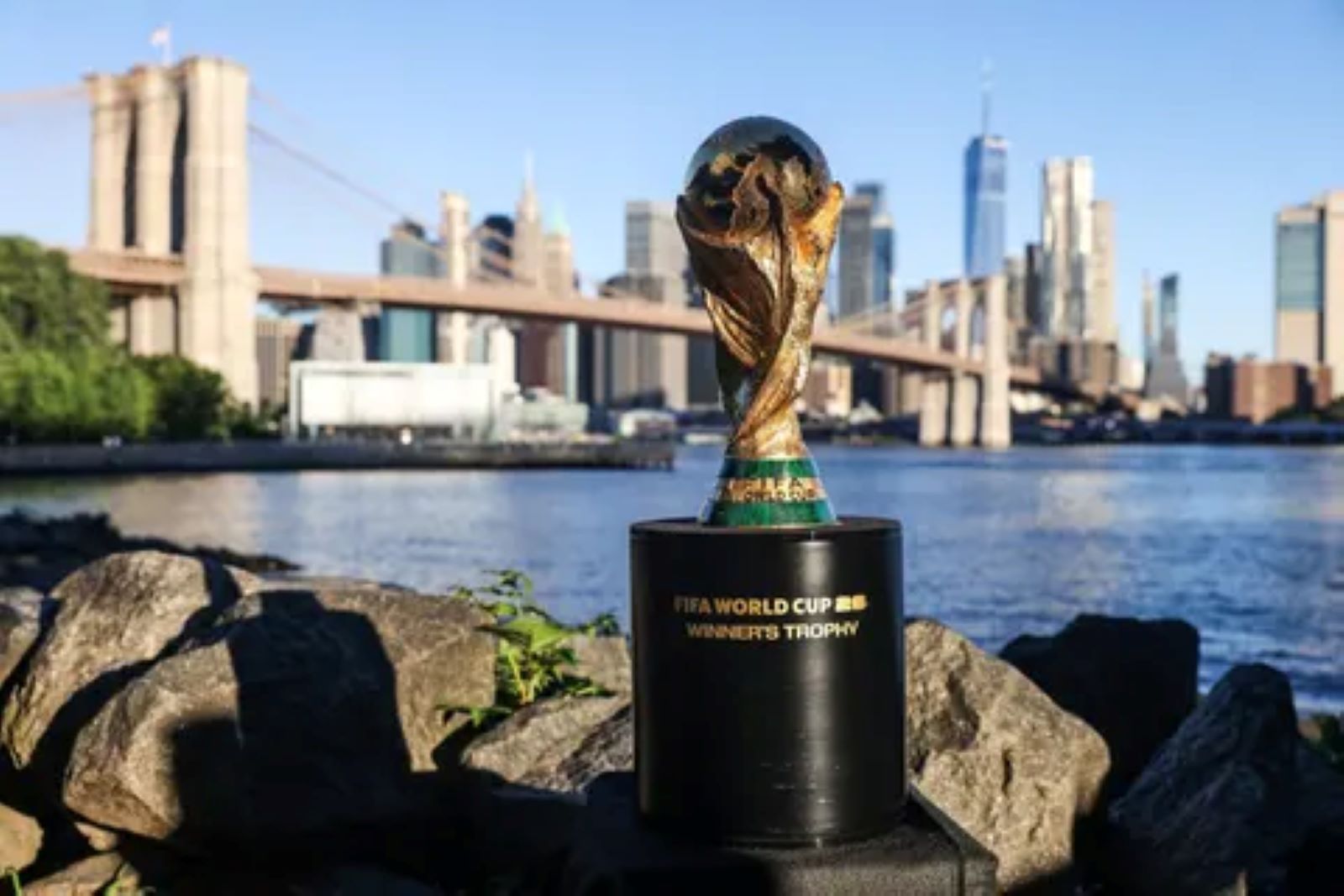
The FIFA World Cup 2026 will be the largest sporting event in history. For the first time, 48 teams will compete across three host nations: the United States, Mexico, and Canada. Because the tournament stretches across an entire continent, preparation feels a bit more involved than usual. It is exciting, of course, but it also means planning ahead really matters.
This guide lays out a practical, step by step roadmap to help you secure tickets, arrange travel, and handle the logistics across all 16 host cities. You do not need to do everything at once, but starting early makes the whole experience far less stressful, and probably more enjoyable too.
Step 1 Secure Your Match Tickets
Tickets are, unsurprisingly, the most competitive part of World Cup preparation. FIFA uses a phased system designed to give fans from around the world a fair chance.
First, create a FIFA ID. Visit the official FIFA.com/tickets portal and register immediately if you have not already. Without an account, you cannot take part in any ticket sales phase, and that can be a frustrating thing to realize too late.
Next, keep track of the sales phases. The random selection draw, which is usually the first major opportunity, closed in mid-January 2026. If you applied, check your email after February 5, 2026, for the results. Even if you are not selected, do not lose momentum.
After the draw, remaining tickets move to a first come, first served format. These releases can sell out quickly, sometimes within minutes, so checking regularly helps. There are also last-minute sales that typically open closer to the June 11 kickoff and continue through the final match on July 19.
If general sales do not work out, consider hospitality options. On Location is the official hospitality provider for the tournament. These packages cost more, yes, but they include guaranteed seats and premium amenities. For some fans, that peace of mind is worth the tradeoff.
Step 2 Organize Your Travel Documents
Traveling between three different countries means documentation deserves early attention. Visa processing times often slow down around major events, and delays are more common than people expect.
Start with your passport. Make sure it is valid for at least six months beyond your planned return date. This requirement catches people off guard every year.
For entry into the United States, many international visitors will need a B1 or B2 visa, or an ESTA if they are from a Visa Waiver Program country. Canada may require either a visa or an eTA, depending on your nationality. Mexico allows visa free entry for many travelers, but requirements vary, so it is wise to double check based on your passport.
It may feel early, but handling this step well in advance removes a lot of uncertainty later.
Step 3 Choose Your Host City Hubs
The tournament is divided into three geographic regions: Western, Central, and Eastern. Given the distances involved, choosing one primary hub is usually smarter than bouncing endlessly between cities.
Western host cities include Vancouver, Seattle, San Francisco, and Los Angeles. The Central region features Guadalajara, Mexico City, Monterrey, Houston, Dallas, and Kansas City. In the East, matches will be played in Atlanta, Miami, Toronto, Boston, Philadelphia, and New York New Jersey.
To avoid travel fatigue, it helps to focus on one cluster and build your plans around it. Flights across North America are long and, during the tournament, likely crowded.
A small but useful tip: if your team is playing the final in New York New Jersey at MetLife Stadium, consider staying in Jersey City or Hoboken. PATH train access from these areas is often simpler than getting there from many parts of Manhattan, especially on match day.
Step 4 Book Accommodations Early
Accommodation prices in host cities are already climbing, and in some areas rates have jumped dramatically. Waiting too long almost always means paying more or settling for something far from the action.
Looking beyond city centers can help. Staying 20 to 40 miles outside the main downtown areas often saves a significant amount of money. For example, fans attending matches near Boston might find Providence, Rhode Island both cheaper and, surprisingly, closer to the stadium in Foxborough than downtown Boston itself.
If you use short term rental platforms like Airbnb or VRBO, make sure the listing has a verified short term rental license. Cities such as Vancouver and Kansas City enforce strict regulations, and unlicensed rentals can be canceled without much warning.
It is also worth checking the official FIFA World Cup 2026 app. FIFA sometimes releases official hotel room blocks with pre negotiated rates for fans, which can be a quiet but helpful option.
Step 5 Plan Your Local Transportation
Distances across North America are vast, and that reality shapes transportation planning more than anything else. A trip from Mexico City to Vancouver is a six-hour flight, not something you casually do between match days.
Booking flights early is essential. Domestic flights in the United States, Canada, and Mexico are expected to reach capacity quickly. Using multi city search tools makes it easier to link several match destinations into one itinerary.
Within cities, public transportation will be heavily used. Fans in Philadelphia can rely on SEPTA, while San Francisco visitors will use BART. Mexico City’s metro system will also be central to match day movement. Many stadiums plan to operate dedicated Fan Express shuttles, which should simplify things.
In some cities, though, a car is almost unavoidable. Dallas, home to AT&T Stadium, and Kansas City, where matches take place at Arrowhead Stadium, have limited public transit options. If you expect to drive, book your rental car at the same time as your flights. Availability can disappear quickly.
Preparing for the FIFA World Cup 2026 takes more effort than past tournaments, but with steady planning, it becomes part of the experience. Done right, the logistics fade into the background, and what remains is the football, the atmosphere, and those moments fans remember for decades.
FAQ: Common 2026 World Cup Questions
Q. When does the FIFA World Cup 2026 start and end?
A. The tournament begins on June 11, 2026, at the Estadio Azteca in Mexico City and concludes on July 19, 2026, at MetLife Stadium in East Rutherford, New Jersey.
Q. Can I use one visa for all three countries?
A. No. The U.S., Canada, and Mexico have separate immigration systems. You must meet the entry requirements for each country individually.
Q. How much do tickets cost?
A. Prices vary by category. Early group-stage tickets start around $60–$75, while tickets for the Final can range from $2,000 to over $7,000 for premium seating.
Q. What is a “FIFA ID”?
A. A FIFA ID is a mandatory digital account used to apply for tickets, access digital match entries, and receive official tournament updates.
Q. Where can I volunteer for the 2026 World Cup?
A. The official volunteer application portal is fifaworldcup.com/volunteers. Most host cities began their recruitment and “tryout” phases in late 2025.